
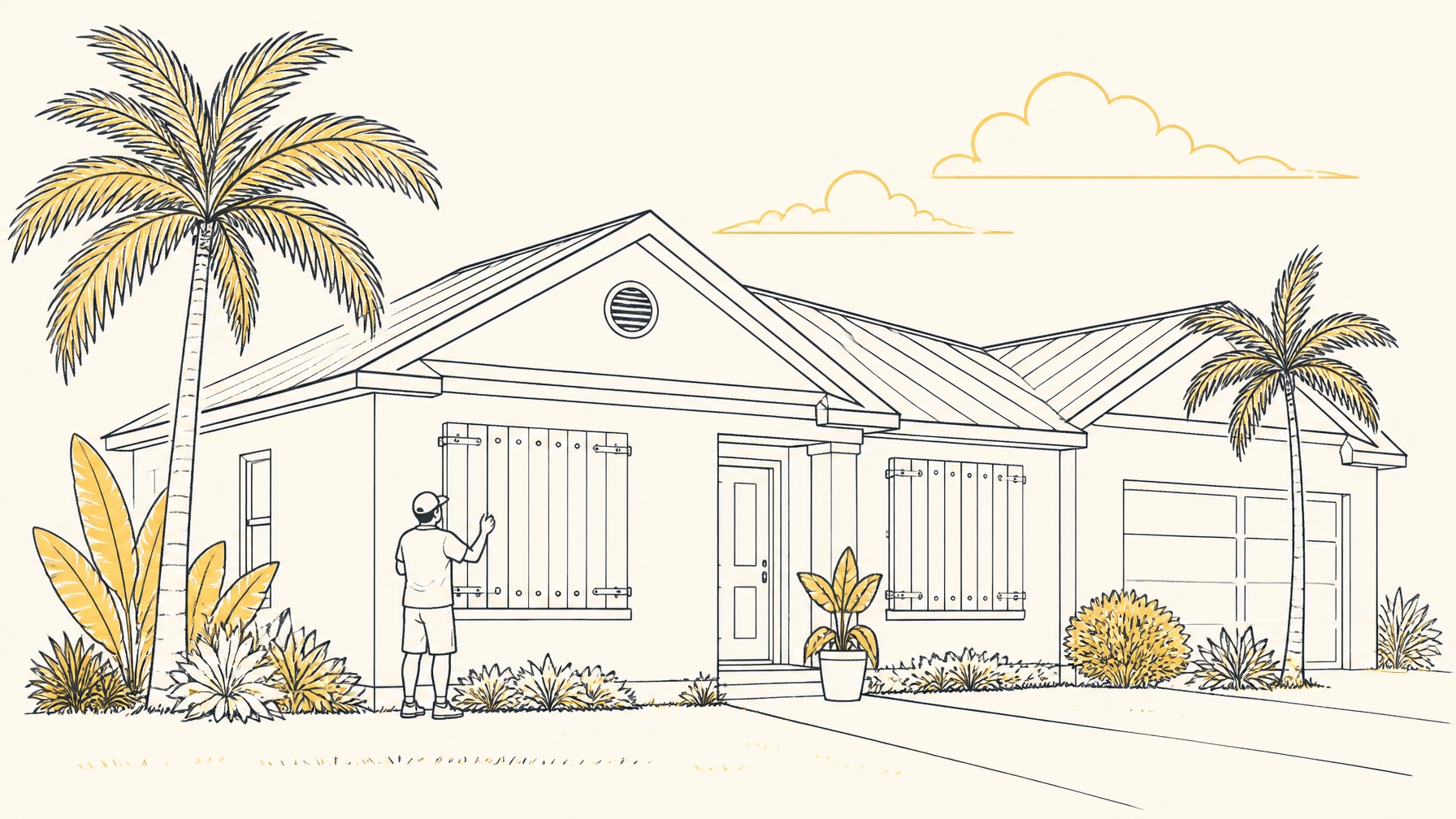
The Ultimate Guide to Home Maintenance: 15 Things to Do Before Peak Hurricane Season
Perform comprehensive home maintenance before the onset of peak hurricane season. Perform comprehensive home maintenance before the onset of peak hurricane season. Perform comprehensive home maintenance before the onset of peak hurricane season.
The seasonal transition into the most active phase of the Atlantic hurricane cycle necessitates a rigorous evaluation of residential structural integrity and property readiness. For homeowners situated within the high-velocity hurricane zones of Broward, Palm Beach, and Miami-Dade County, the implementation of a proactive maintenance protocol is not merely advisable but essential for the mitigation of potential property damage. CRG Builders & Remodelers facilitates this preparedness through a systematic approach to home improvement and structural fortification.
1. Execute a Detailed Roof and Flashing Inspection
The roof serves as the primary barrier against atmospheric disturbances; therefore, its condition must be beyond reproach. One must conduct a thorough examination of shingles, tiles, and metal panels to identify loose or missing components. Particular attention should be directed toward the flashing around chimneys, vents, and valleys, as these areas represent common failure points during high-wind events.
2. Clearance and Maintenance of Gutter Systems
Obstructions within gutters and downspouts can lead to hydraulic pressure buildup and subsequent water intrusion. It is imperative that all debris, including organic matter and silt, be removed to ensure unimpeded drainage. Furthermore, the structural attachment of the gutter system to the fascia should be verified to prevent detachment during intense precipitation.

3. Verification of Window Seals and Glazing Integrity
Window systems are susceptible to failure if the seals have been compromised by UV exposure or age. A meticulous inspection of the caulking and weatherstripping around all fenestrations is required. Any evidence of degradation should be addressed by a professional home improvement contractor to maintain the building envelope's airtightness.
4. Mechanical Testing of Hurricane Shutters
Whether utilizing accordion, roll-down, or Bahama-style shutters, the mechanical components require regular lubrication and testing. Tracks must be cleared of salt spray and grit, and locking mechanisms must be verified for operational readiness. It is recommended that this procedure be completed well in advance of a storm warning to allow for any necessary repairs to the tracks or slats.

5. Assessment of Impact-Resistant Glass
For properties equipped with impact-resistant windows, the structural bond between the glass and the frame must be evaluated. While designed for high-impact resistance, the integrity of the installation can be affected by settling or environmental factors. Homeowners should consult CRG Builders & Remodelers for a professional assessment if any anomalies are observed in the glass or framing.
6. Reinforcement of Exterior and Garage Doors
Garage doors are frequently identified as the weakest structural link in a residential building during a hurricane. One must ensure that the garage door is either hurricane-rated or reinforced with a temporary bracing system. Additionally, all exterior entry doors should be inspected for proper deadbolt engagement and the presence of reinforced strike plates.
7. Strategic Vegetation and Canopy Management
The management of residential landscapes is a critical component of storm preparedness. Large trees, particularly those in proximity to the primary structure or power lines, must be professionally pruned to reduce wind resistance. The removal of deadwood and the thinning of the canopy are necessary to prevent limbs from becoming wind-borne projectiles.
8. Systematic Debris Removal and Site Clearance
General site cleanliness contributes significantly to the reduction of debris-related damage. Homeowners should engage a debris removal contractor to clear the property of any construction materials, defunct equipment, or loose landscaping elements. Ensuring the yard is clear of potential hazards is a fundamental requirement for community safety.

9. Securing of Outdoor Fixtures and Furniture
All non-permanent outdoor items, including patio furniture, decorative statuary, and refuse containers, must have a designated indoor storage location or a method for secure anchoring. In the event of an impending storm, these items can cause extensive damage to both the owner's property and neighboring structures if left unsecured.
10. Evaluation of Electrical Systems and Surge Protection
The electrical infrastructure of a home often experiences significant stress during and after a storm due to grid instability. It is recommended that a licensed professional perform safe electrical work to install whole-house surge protectors. This measure safeguards sensitive electronics and appliances from the voltage spikes that frequently accompany the restoration of power.
11. Maintenance and Operational Testing of Backup Generators
If a property is equipped with a permanent or portable standby generator, it must be subjected to a load test and serviced according to the manufacturer’s specifications. Fuel supplies should be checked for freshness, and transfer switches must be verified to ensure a seamless transition to backup power during a utility failure.

12. Inspection of Plumbing and Potential Water Intrusion Points
Heavy rain can expose minor plumbing vulnerabilities that may result in significant interior flooding. Caulking around exterior penetrations: such as hose bibs and dryer vents: should be inspected and replaced if necessary. The objective is to eliminate any potential path for wind-driven rain to enter the wall cavities or the living space.
13. Comprehensive Insurance Policy Review
Homeowners are advised to conduct an annual review of their insurance coverage to ensure it reflects current property values and local rebuilding costs. Engaging professional resources, such as Platinum Public Adjusters, can provide valuable insights into policy limitations and the documentation required for potential claims.
14. Inventory and Storage of Emergency Supplies
The procurement of essential supplies, including potable water, non-perishable sustenance, and medical provisions, should be finalized prior to the peak of the season. These items must be stored in a climate-controlled, easily accessible location within the residence to ensure availability during a period of isolation.
15. Documentation of Post-Storm Recovery Protocols
A structured plan for post-storm recovery, including a list of trusted contractors for home repair and remodeling, should be established. Maintaining a digital and physical record of the home's pre-storm condition: via high-resolution photography: is a critical step in facilitating the insurance adjustment process.
Perform comprehensive home maintenance before the onset of peak hurricane season. Perform comprehensive home maintenance before the onset of peak hurricane season. Perform comprehensive home maintenance before the onset of peak hurricane season.
By adhering to this rigorous maintenance schedule, homeowners in the South Florida region can significantly enhance the resilience of their properties. CRG Builders & Remodelers remains committed to providing professional home improvement services that adhere to the highest standards of the Florida Building Code.
Tags: #HurricanePrep #HomeMaintenance #SouthFlorida #CRGBuilders #HomeRepair #Remodeling #StormSafety #PropertyManagement
Share this post: [Link] | [Facebook] | [Twitter] | [LinkedIn]
Comments: [Add Comment]
Copyright © 2026 CRG Builders & Remodelers, LLC. All Rights Reserved.
Add Comment